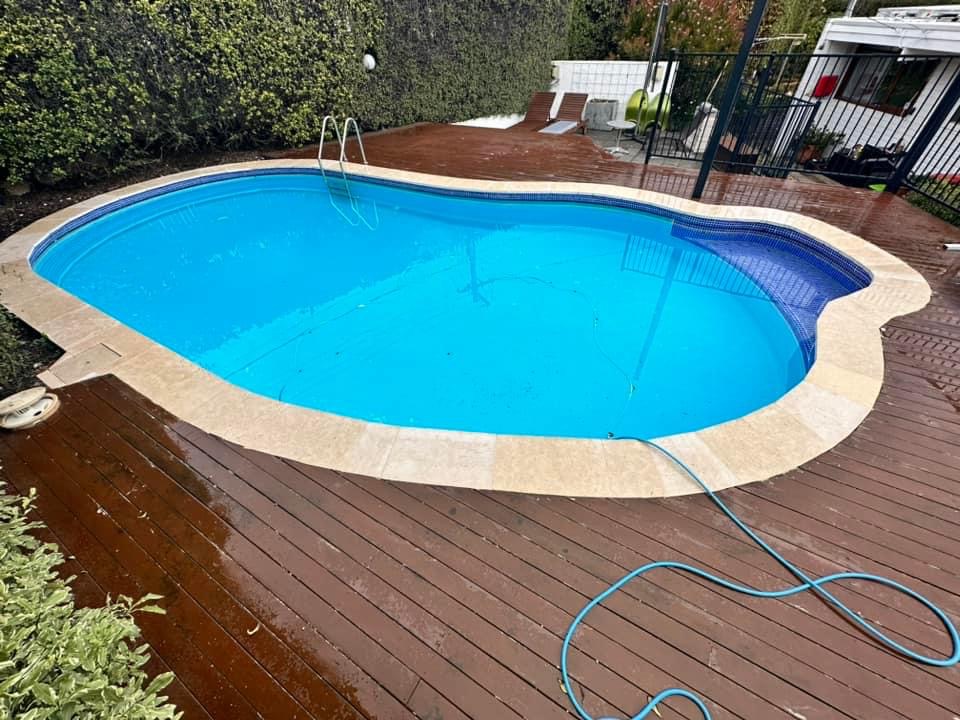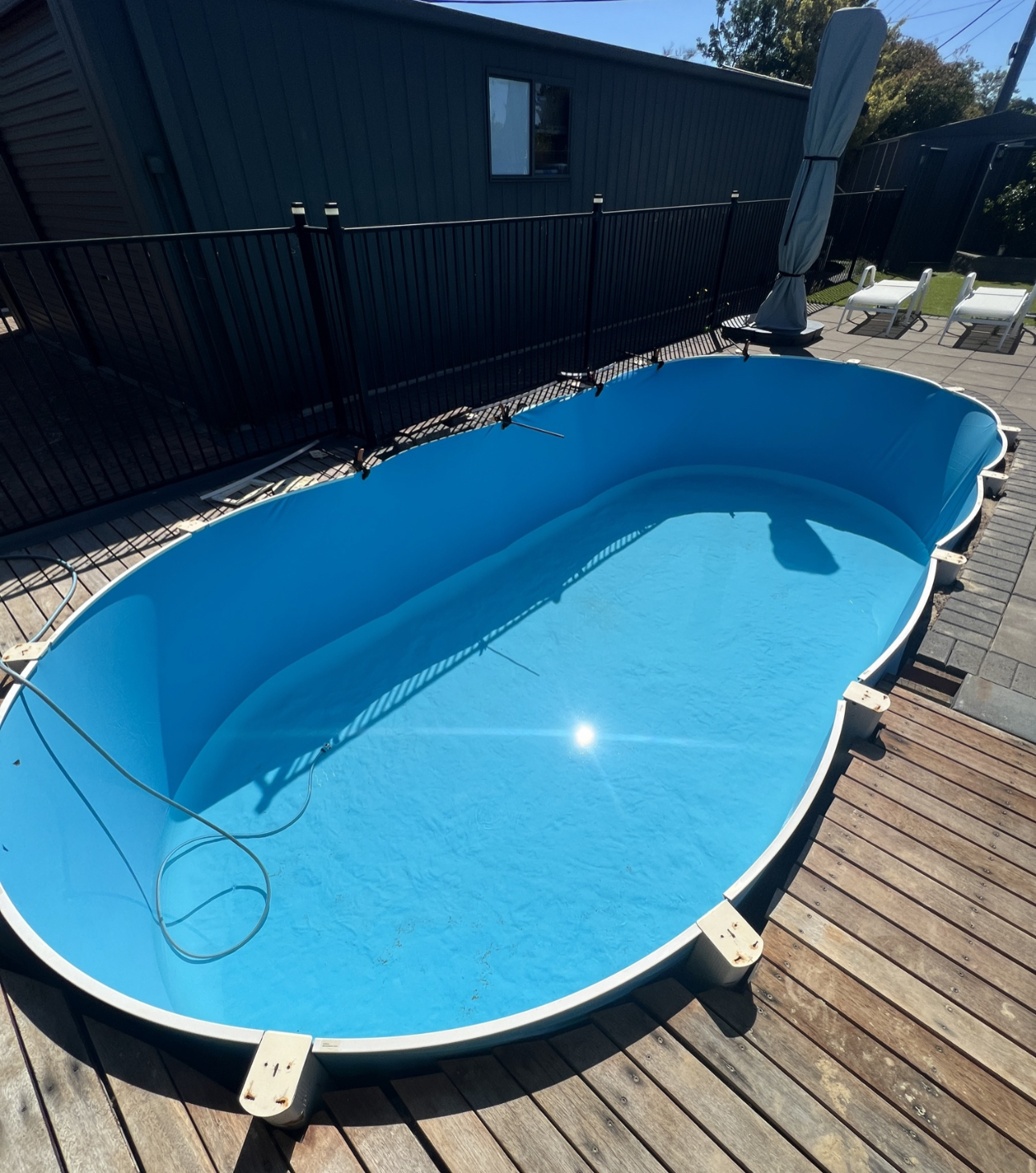
Anyone who has owned a pool in Canberra long enough knows how April plays out. The days can look perfect, the sun is just enough to tempt you in, but the water does not follow through. A warm afternooncan quickly be undone by a cold night, and the temperature becomes hard to rely on.
It is one of the most common conversations we have during this time on-site across the ACT, especially when the kids are ready to jump in after school or during the holidays. The concern is usually the same: the system that worked through the summer suddenly feels like it is struggling. But in most cases, nothing is actually wrong with the system. It’s just that maybe your heating system was not set up for this kind of use or for Canberra’s typical moody conditions. The same applies to short-term rentals or holiday homes around the region, where guest expectations do not necessarily align with seasonal limitations.
So, for everyone trying to keep the pool usable for the family and the guests during this period, it all comes down to understanding Canberra’s climate and deciding on a heating approach that actually suits your pool better.
Comparing The Heating Solutions For Your Pool?
Before getting into what works best here, it helps to be clear about how each system actually operates.
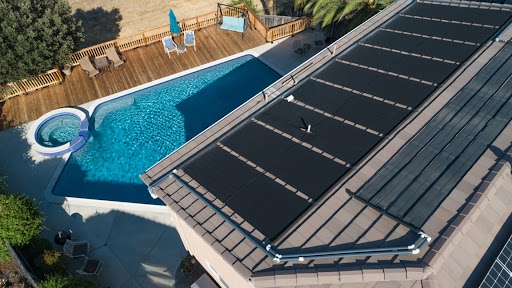
Solar pool heating works by circulating your pool water up to panels on your roof or another sun-exposed surface, where the sun warms it before it returns to the pool. There is no separate energy source creating heat. The sun does the work, and your filtration system keeps the water moving.
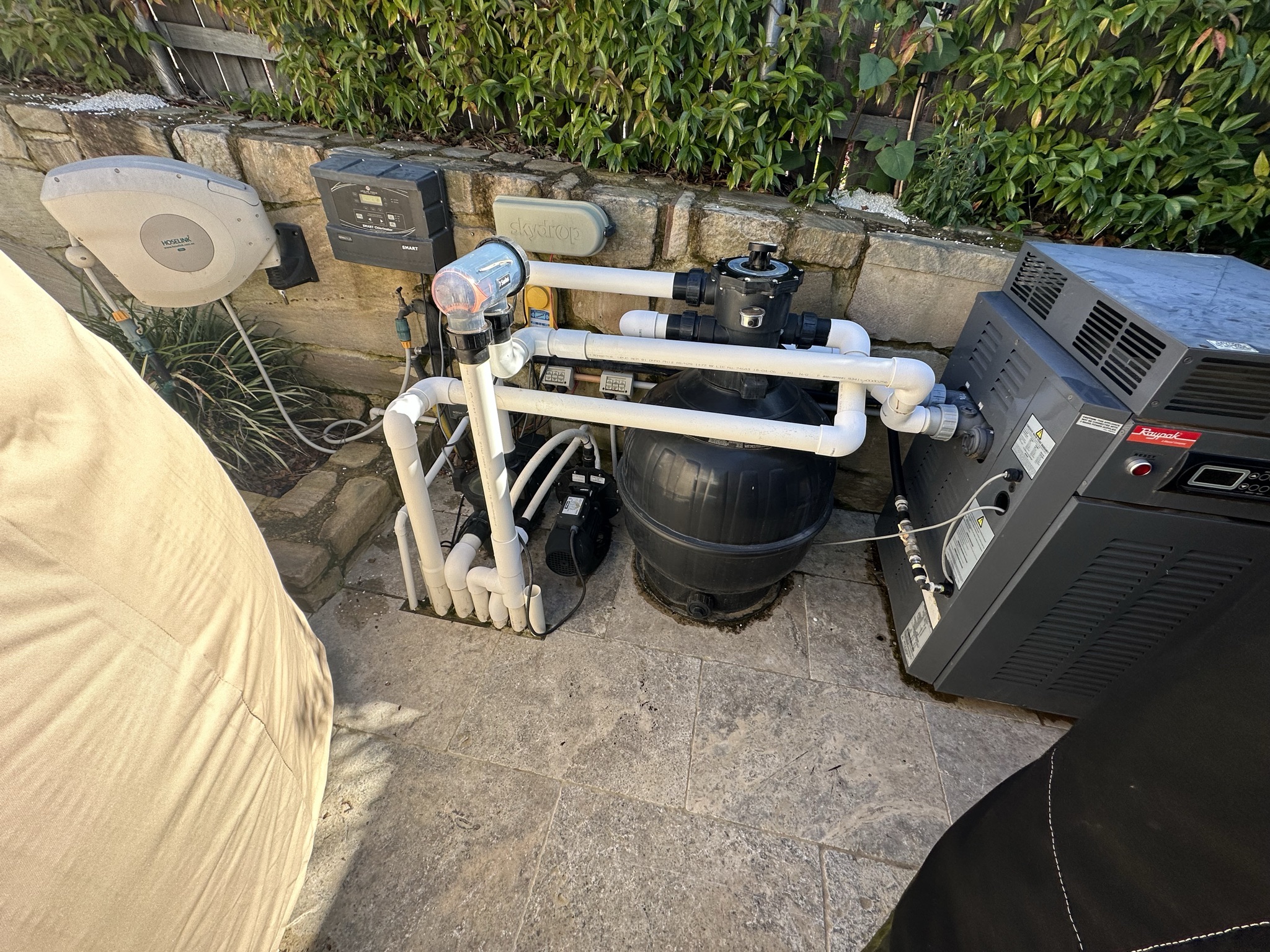
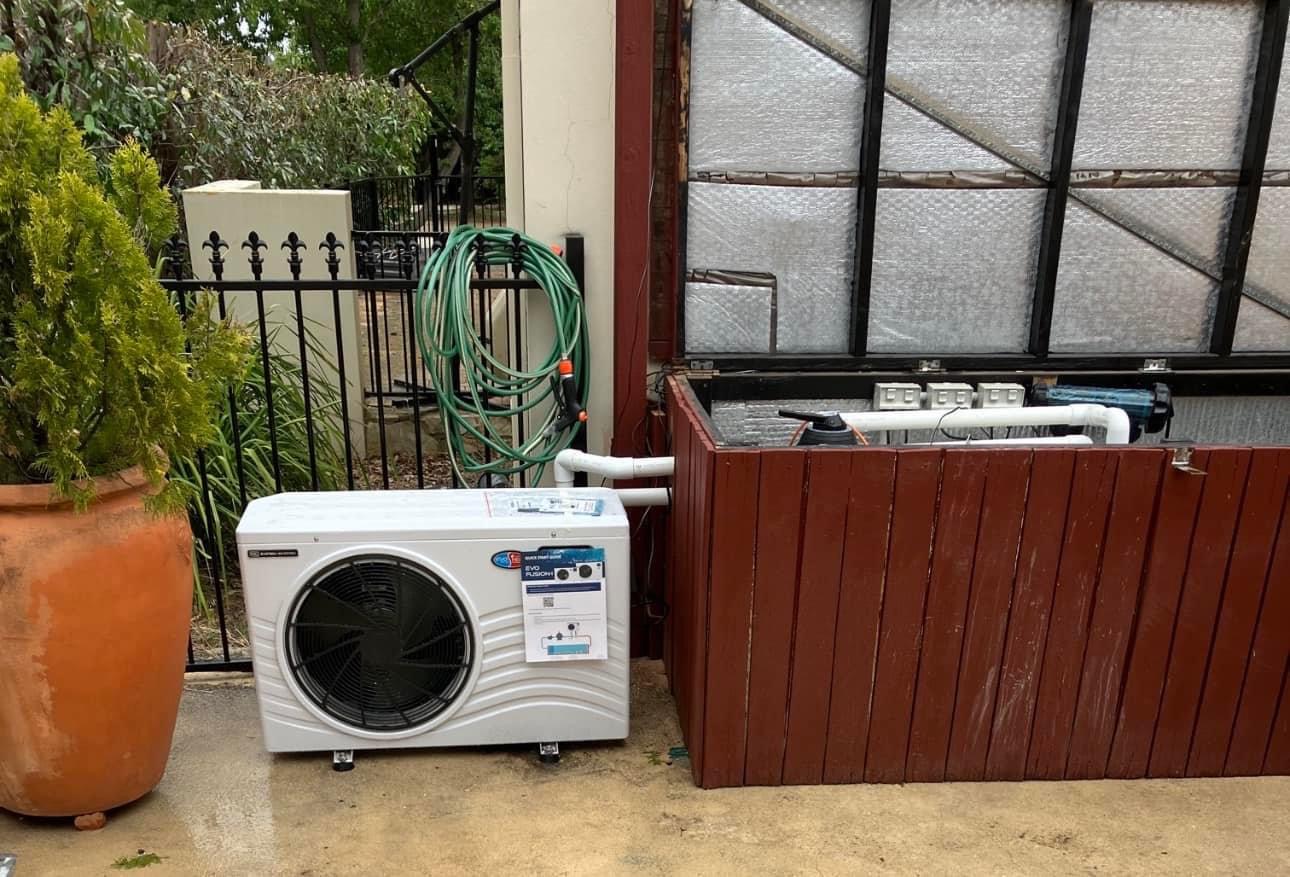
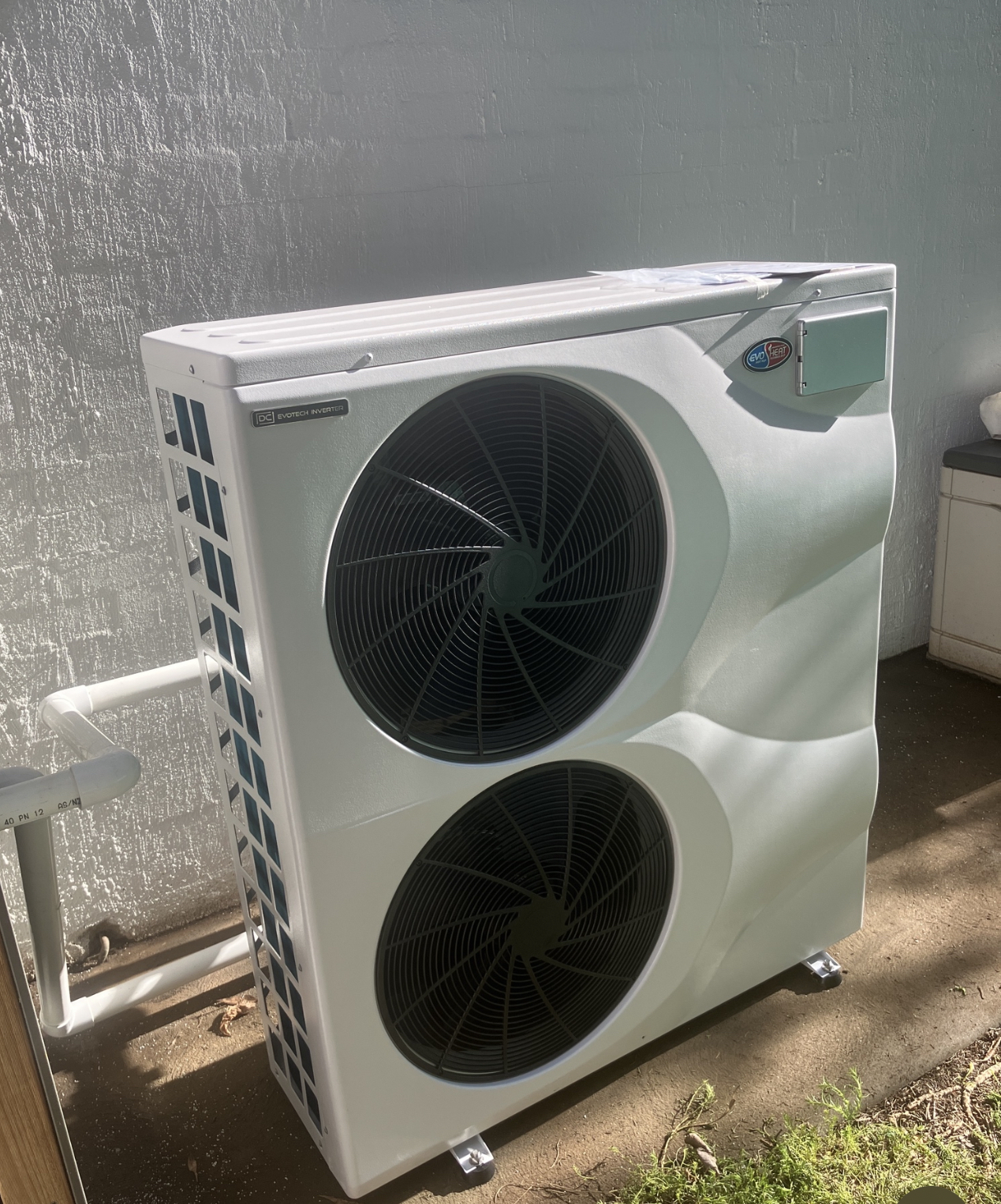
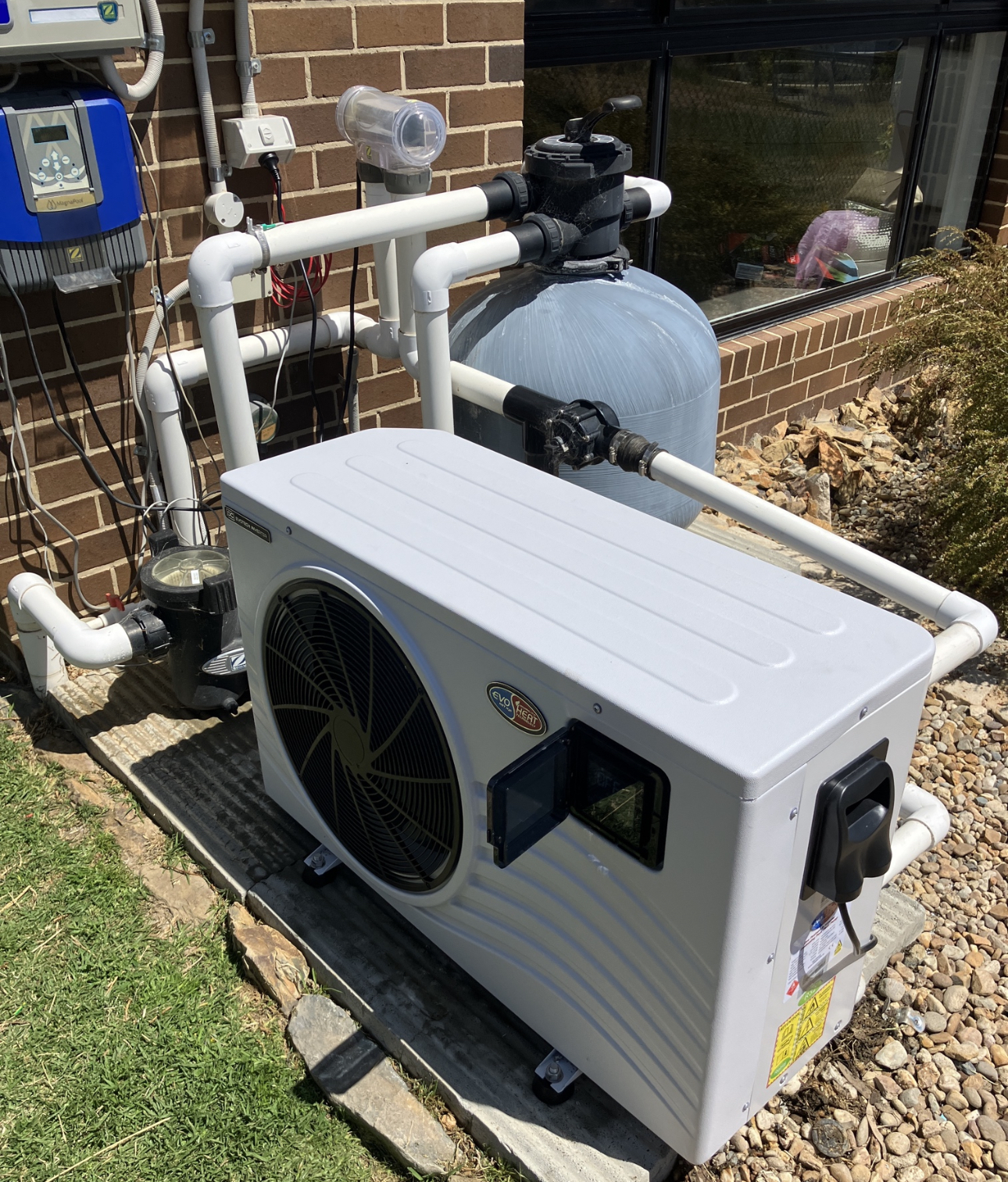
A heat pump works differently. It pulls warmth from the surrounding air, compresses it, and transfers that heat into your pool water. It does run on electricity, but modern inverter models are designed to do this efficiently, even when the air temperature is not particularly high. Both systems are proven. Both are widely used across Canberra in homes, apartment complexes, and commercial setups. The difference comes down to how they behave once local conditions come into play.
What Canberra’s Climate Actually Does to a Pool
This is where we believe local experience matters. Because, understanding what is working against you will help you choose or adjust between the heating solutions.
Canberra averages close to 2,800 sunshine hours per year, which sounds like a clear win for solar. But those hours are not evenly spread across the year. And April is usually when things start to shift. Because daylight hours are already shortening. Nights are getting cooler, and heat loss starts to outpace heat gain, especially without a pool cover. You might have noticed how the pool can feel comfortable on a sunny afternoon, then noticeably colder the next morning. That is not a fault of the system. That is Canberra doing what it does best.
However, the honest reality for a Canberra pool owner is this:
Solar pool heating is powerful in spring, summer, and early autumn, but it struggles in winter.
Heat pumps are reliable year-round but cost money to run, especially when temperatures drop, and they have to work harder to maintain the setpoint.
Quick note: For residential pools, this usually is a matter of convenience and ease of use, but for commercial pools, it can affect guest satisfaction, reviews, and overall usage of the space.
Solar Pool Heating in Canberra: Where It Works Best
Solar heating can make a lot of sense in Canberra, but only when your expectations are clear.
If the goal is to extend the swimming season without adding ongoing running costs, solar is one of the most cost-effective ways to do it. From early spring through to mid-autumn, a well-sized system can comfortably maintain usable temperatures with minimal input.
It aligns best with daytime usage. So households or businesses that use their pool during the day will get the most value from it.
Roof conditions matter more than most people expect. A north-facing, unshaded roof will perform significantly better than one affected by trees or neighbouring structures.
Tip:
If the roof is not ideal, increasing panel area can sometimes help, but this needs to be assessed properly before installation.
Solar also delivers strong long-term value for larger residential pools and some commercial properties where reducing operating costs is a priority. Because once installed, the running costs are close to zero, aside from the circulation pump.
Watch out for:
Stretched cloudy days. Canberra can string together cold, grey periods, especially through winter. During these stretches, a solar-only system may struggle to maintain temperature.
Heat Pumps in Canberra: Where It Works Best
Heat pumps are all about consistency. If your expectation is a warm pool regardless of weather conditions, they are the more reliable option. They do not rely on sunlight, which makes them suitable for year-round use. This becomes particularly important in Canberra, where temperature swings are common even within a single day. It’s especially useful for households that use the pool outside typical daytime hours, or for commercial setups where the availability needs to be reliable. They are also better suited to properties with limited or shaded roof space.
For hotels, rentals, and shared facilities, this reliability becomes more important. Guests expect the pool to be usable when they arrive, not just when conditions are ideal.
Tip:
Running a heat pump during off-peak electricity hours or alongside rooftop solar can help manage operating costs.
Watch out for:
Higher usage during colder months. As temperatures drop, the system works harder to maintain set levels.
Residential vs Commercial Use: Why the Approach Should Differ
One of the biggest gaps in most pool heating discussions is the difference between residential and commercial needs.
For residential pool owners, the focus is usually on comfort, flexibility, and running costs. You want the pool ready when the family wants to use it, without overcommitting to energy usage when it is not needed.
Commercial settings, including short-term rentals, hotels, or shared facilities, operate differently. Here, consistency and reliability matter far more. Guests expect the pool to be usable regardless of a few cooler nights, and that expectation directly impacts reviews and repeat bookings.
This often means the heating approach needs to be more robust, with less room for temperature fluctuation. It is less about occasional use and more about maintaining a standard.
Where Most Setups Fall Short
In many cases, the issue is not the heating system alone, but how the overall setup works together.
Lack of a pool cover, poor heat retention, or systems not sized correctly for the pool can all contribute to heat loss. Even a good system can feel ineffective if it is constantly working against environmental factors.
This is why two similar heating systems can deliver completely different results depending on how they are installed, used, and supported.
The Question Most People Eventually Ask
Is there a single “right” system for Canberra?
There is, but it is not one system on its own.
For most pool owners, the setup that delivers the best results is a combination of solar heating, a heat pump, and a pool cover.
Solar handles the bulk of the heating during the warmer months when conditions are favourable.
A heat pump supports the system when solar cannot maintain the temperature, particularly through autumn, winter, and early spring.
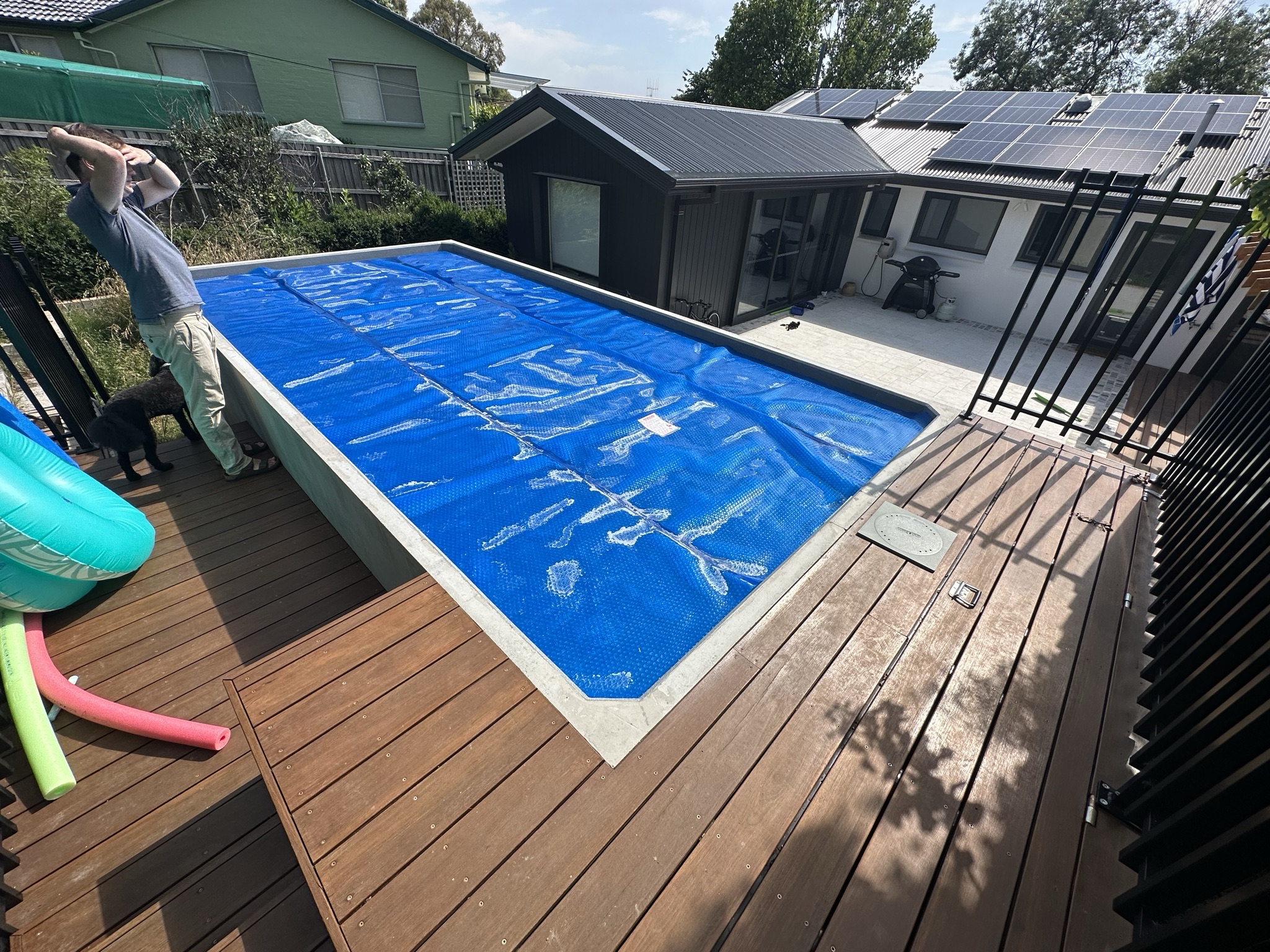
A pool cover reduces heat loss and improves the efficiency of both.
This is not about overcomplicating the setup. It is about matching each system to the conditions in which it performs best.
Fun fact:
Canberra experiences more frost days per year than most Australian capital cities. That overnight chill is exactly why hybrid systems tend to perform better here.
A Quick Comparison for Canberra Conditions
Solar heating offers very low running costs and performs best from spring through autumn, but it relies heavily on sunlight and benefits greatly from a pool cover.
Heat pumps provide consistent, year-round heating and are not affected by cloud cover or time of day, though they come with ongoing electricity costs.
In Canberra, solar tends to carry the load from September through April, while heat pumps take over during cooler months or fill in when solar cannot keep up.
What to Think About Before Making a Decision
Before committing to either system, it helps to step back and look at how the pool is actually used.
- How many months of the year do you realistically want to swim?
- At what times of day is the pool used most often?
- Does your roof have a clear, sun-exposed section suitable for solar?
- Are you willing to use a pool cover consistently?
- Do you already have rooftop solar that could offset running costs?
These are usually the key questions for residential pools, where usage tends to follow lifestyle patterns and seasonal comfort.
But for commercial setups, the focus shifts slightly.
- How consistently does the pool need to stay usable for guests or visitors across the year?
- At what times of day is the pool expected to perform without adjustment or explanation?
- Is the roof layout suitable for solar, or are there structural or shading limits?
- Is there an expectation for the pool to maintain temperature regardless of occupancy patterns?
- Is there existing solar or infrastructure that can support ongoing running costs efficiently?
These answers tend to shape the recommendation far more than the system choice itself.
The Poolsmart Approach to Heating Solutions in Canberra
At Poolsmart True Blue, we don’t start with products; in fact, we start with the pool and how it is actually used. Because in Canberra, the same setup can perform very differently depending on the property, the exposure, and how the pool is actually used across the year.
That means a family pool in Weston Creek used only on weekends does not need the same approach as a short-term rental in Kingston that needs to stay guest-ready year-round, or a commercial pool where consistency matters more than anything else.
That’s why every recommendation starts on-site, not in a catalogue.
Residential Pool Heating
For homeowners, we focus on comfort, running costs, and how often the pool is realistically used.
We look at:
- How many months of the year do you want the pool to be comfortably usable
- When the pool is actually used (after school, weekends, evenings)
- Whether your roof has strong sun exposure for solar heating
- Whether you’re open to using a pool cover to retain heat
- Whether existing solar power can offset running costs
From there, we match the system to the lifestyle and not just the pool size.
Commercial Pool Heating
For commercial pools, consistency and efficiency matter more than occasional use.
We assess:
- Daily and peak usage volumes across the week
- Required water temperature consistency (swim schools, gyms, accommodation)
- Operating hours and recovery time between sessions
- Energy load capacity and infrastructure (electric/gas access)
- Long-term running cost vs upfront system investment
The goal is not just to heat the pool but to keep it operational and predictable under load.
Systems We Work With
We supply and install a full range of heating solutions, including:
- Solar heating systems (Rhino Rigid Panels by Boss Solar, Heliocol panels)
- Heat pumps (Evo Heat, Madimack inverter systems)
- Hybrid setups combining solar and heat pump for efficiency and reliability
The system choice always comes after the assessment and never before it.So if you are trying to get more consistent use out of your pool, whether at home or in a commercial setting, the right heating setup can make all the difference. Poolsmart True Blue designs and installs solar and heat pump systems based on how your pool is actually used, not just what looks good on paper.
Get a tailored assessment for your pool and site requirements.